Border encounters fell for a fifth straight month. The composition changed more than the total.
Monthly encounters at the southwest border are down 41% from a year ago. Inside that number, the share of single adults has risen and the share of families has fallen by more than half.
- Encounters down 41% year over year, the fifth consecutive monthly decline
- Families now 14% of encounters, down from 33% a year ago
- Processing time at the four busiest sectors has fallen from 91 hours to 38
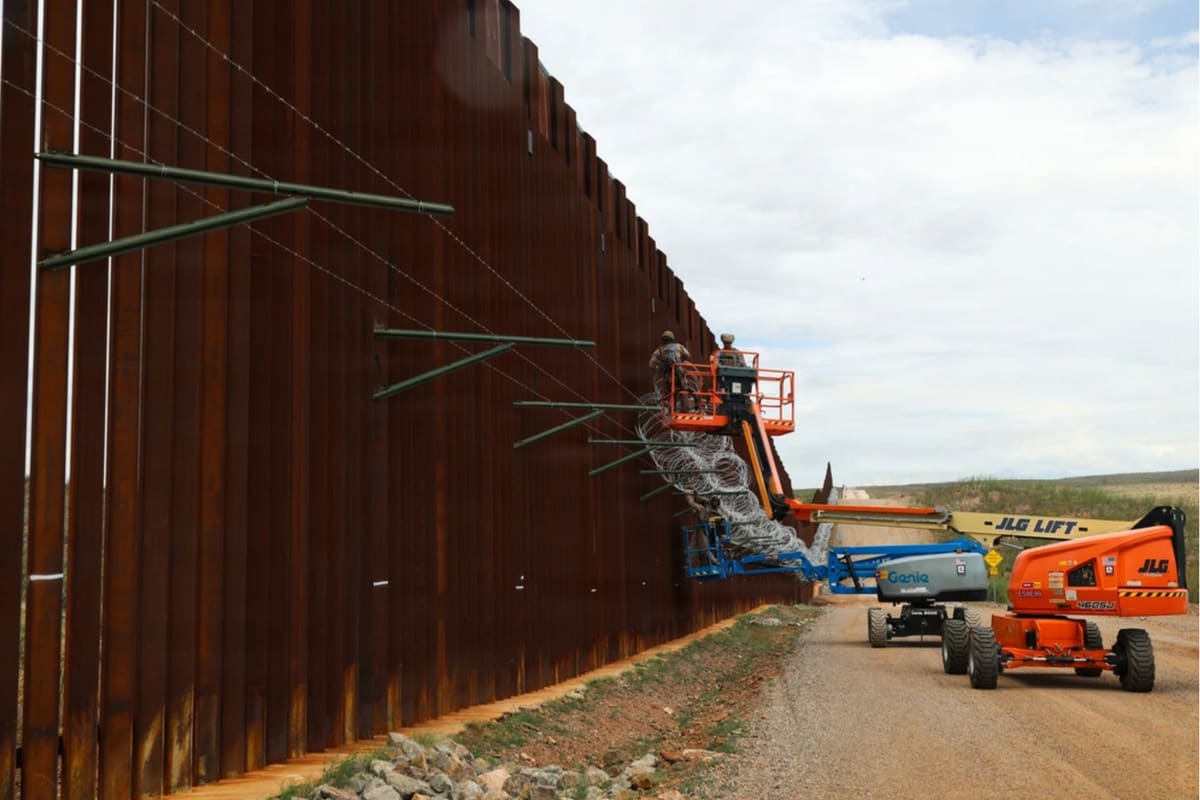
Monthly encounters at the southwest border fell again last month, the fifth consecutive decline, and now stand 41 percent below the same month a year ago. The headline number is the one that circulates. The composition underneath it has changed more.
A year ago, family units made up 33 percent of encounters. Last month they were 14 percent. Single adults now account for roughly four in five. Analysts who study migration flows say that shift usually indicates changes in the cost and risk of the journey rather than in the number of people who want to make it.
What moved
Three things happened at once, which is what makes the causation hard. Transit countries tightened their own enforcement on the routes families most often use. A parole pathway that families disproportionately relied on was narrowed. And smuggling prices rose sharply for anyone traveling with children.
Researchers who track those prices through interviews at shelters said the increase for a family of four was on the order of 60 percent over eighteen months. “At some point the number stops being a price and starts being a wall,” one said.
Fewer encounters can mean fewer people trying, or the same people trying somewhere we are not counting. The honest answer is that we do not yet know which.— A migration researcher who reviewed the monthly data
Downstream effects
Lower volume has produced a measurable operational change. Average time in initial processing at the four busiest sectors fell from 91 hours to 38 over the same period. Two sectors have closed temporary holding facilities that were opened three years ago.
- Encounters: down 41% year over year; fifth consecutive monthly decline
- Families: 14% of encounters, down from 33% a year ago
- Processing: average initial processing time down from 91 to 38 hours
- Facilities: two temporary holding sites closed in the past quarter
Immigration courts have not seen a corresponding drop. The backlog there reflects cases filed over the past several years, and it continues to grow — a reminder that enforcement statistics and adjudication statistics move on different clocks and should not be read as one story.
Clearly written, and the section on the numbers is more careful than most coverage of this.