The grid is now the bottleneck for AI, and utilities are rationing connections
Three regional operators have queues of proposed data centers requesting more power than they can supply this decade. Two have begun approving projects only if they bring their own generation.
- One operator’s interconnection queue holds requests for 41 GW against 9 GW of available headroom
- Two operators now require large loads to bring dedicated generation or firm storage
- Median wait from application to energization has reached 51 months
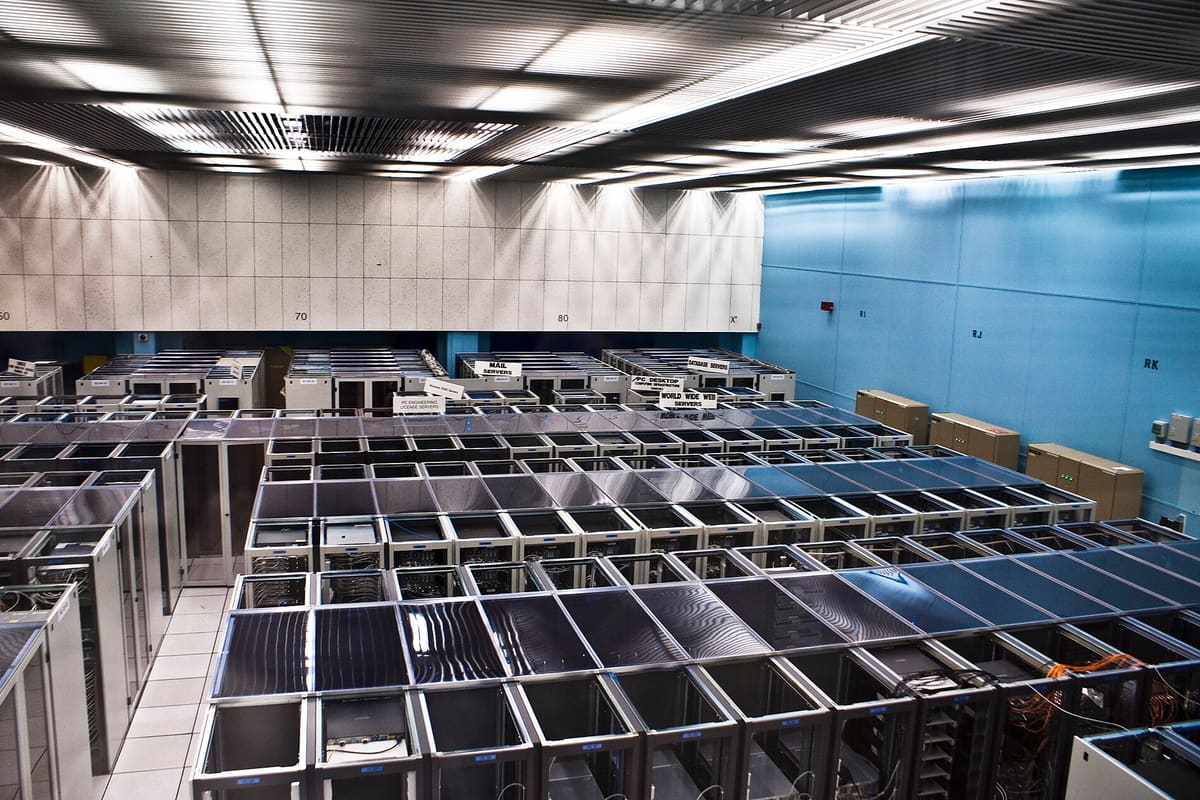
The constraint on building artificial intelligence capacity has moved. It is no longer chips, which are merely expensive. It is the ability to deliver tens of megawatts to a specific building on a specific date.
Interconnection queues at three regional grid operators now hold requests from proposed data centers totaling far more power than the operators expect to have available this decade. At one, the queue stands at 41 gigawatts of requested large-load interconnection against roughly 9 gigawatts of headroom through 2032.
Rationing, politely
Two of the three have responded with what amounts to rationing. Large-load applications are now approved only where the applicant brings dedicated generation, firm storage, or a contractual commitment to curtail on demand during peak hours.
Operators are careful not to call it rationing. The formal language describes prioritizing applications that do not increase peak system demand — which, given that a data center runs flat out around the clock, means very few applications qualify without additions.
We are not short of electricity. We are short of electricity at that substation, on that date, at that voltage. Nobody wants to hear that the answer is a transformer with a four-year lead time.— A transmission planner at a regional operator
Four years for a transformer
Equipment is a large part of the delay. Lead times for large power transformers have stretched to between three and four years, and for high-voltage circuit breakers to about two. Median time from interconnection application to energization across the three operators has reached 51 months.
Developers have begun buying transformers speculatively, before a site is chosen, on the theory that the equipment is now scarcer than the land.
- One queue: 41 GW requested against about 9 GW of headroom through 2032
- Condition: two operators require dedicated generation, storage or curtailment commitments
- Lead times: 3–4 years for large power transformers; about 2 for HV breakers
- Median interconnection timeline: 51 months from application to energization
The behavioral consequence is already visible in siting decisions. Projects that would have gone to established data center corridors are moving to places with spare interconnection capacity and less fiber — accepting worse latency in exchange for a shorter wait. Several operators expect that trade to define where the next generation of capacity is built.

Something similar happened in my county, and this matches what I saw.
Would be better with more detail on where the figures came from, but otherwise solid.
Sent this to my family. They said the summary was fair.
I agree with about half of it. The rest depends on how it is actually implemented.
I agree with about half of it. The rest depends on how it is actually implemented.