Three seasons of the pitch clock: games are shorter, and the pitchers are different
Average game time has settled at two hours 38 minutes. The less discussed effect is on pitcher usage, where the shortened recovery between pitches has changed how long starters last.
- Average game time settled at 2:38, down from 3:04 before the clock
- Fastball velocity in innings five and six fell by 0.7 mph
- Starters average two-thirds of an inning less per outing
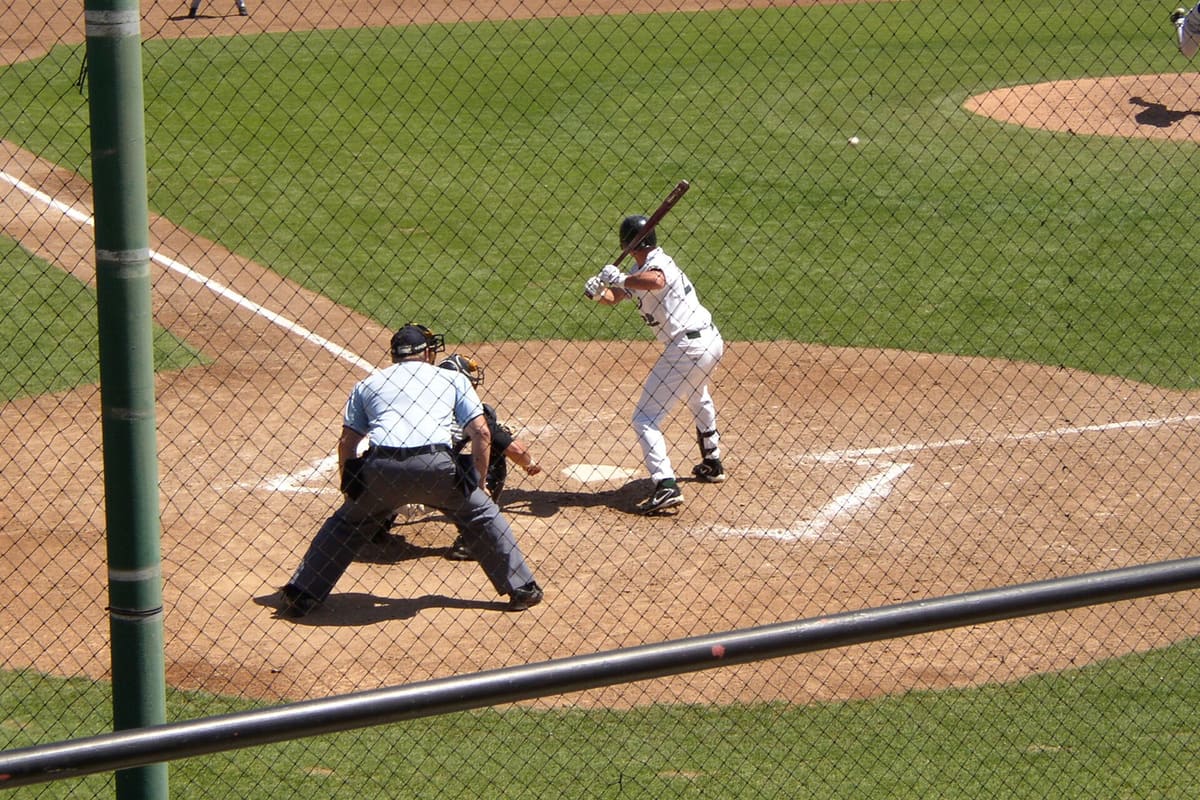
Three full seasons in, the headline effect of the pitch clock has stabilized. Average game time is two hours and 38 minutes, down from three hours and four minutes in the last season before it, and it has moved less than two minutes in the past two years.
The secondary effects are more interesting and took longer to appear.
Less rest, measured in seconds
A starter now throws his pitches with substantially less recovery between them. Across the league, average fastball velocity in the fifth and sixth innings has fallen by about 0.7 miles per hour relative to the pre-clock baseline, while first-inning velocity is unchanged.
That pattern — same early, slower late — is what fatigue looks like in the data. Starters now average about two-thirds of an inning less per outing than before the clock, and the share of starts reaching the seventh inning has fallen by roughly a third.
We did not make pitching harder. We took away the eleven seconds he used to take when he needed them.— A pitching coordinator for a National League club
What clubs have changed
Rosters have adapted. Clubs carry more relievers and use them earlier, and several have adopted a formal fifth-day pattern in which a starter is expected to go four innings by design rather than by failure.
The development pipeline has changed with it. Two organizations told MNC News they now evaluate minor league starters on a four-inning workload rather than six, on the view that the six-inning starter is becoming a rarity worth building for only in the top of a rotation.
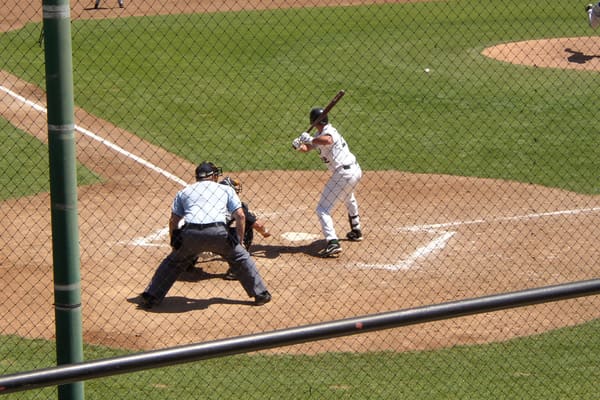
- Game time: 2:38 average, down from 3:04 before the clock
- Velocity: −0.7 mph in innings five and six; unchanged in the first
- Starter length: about two-thirds of an inning shorter per outing
- Starts reaching the seventh: down roughly a third
Attendance and viewership have both improved over the same period, and the clock is generally credited for it. That the change came with a real cost to a traditional role is not an argument against it — it is an argument for noticing what a rule change does after the part everyone measured in the first season.


Clearly written, and the section on the numbers is more careful than most coverage of this.
Clearly written, and the section on the numbers is more careful than most coverage of this.