War-risk premiums have tripled on one route. The ships are still sailing.
Insurers have reclassified a stretch of water used by roughly a tenth of container traffic. Carriers are paying the premium rather than rerouting, because the alternative costs more.
- War-risk premiums on the route have gone from about 0.05% to 0.15% of hull value
- Rerouting adds nine to twelve days and roughly $1.1m in fuel per voyage
- Some charter contracts now include a clause allocating premium increases
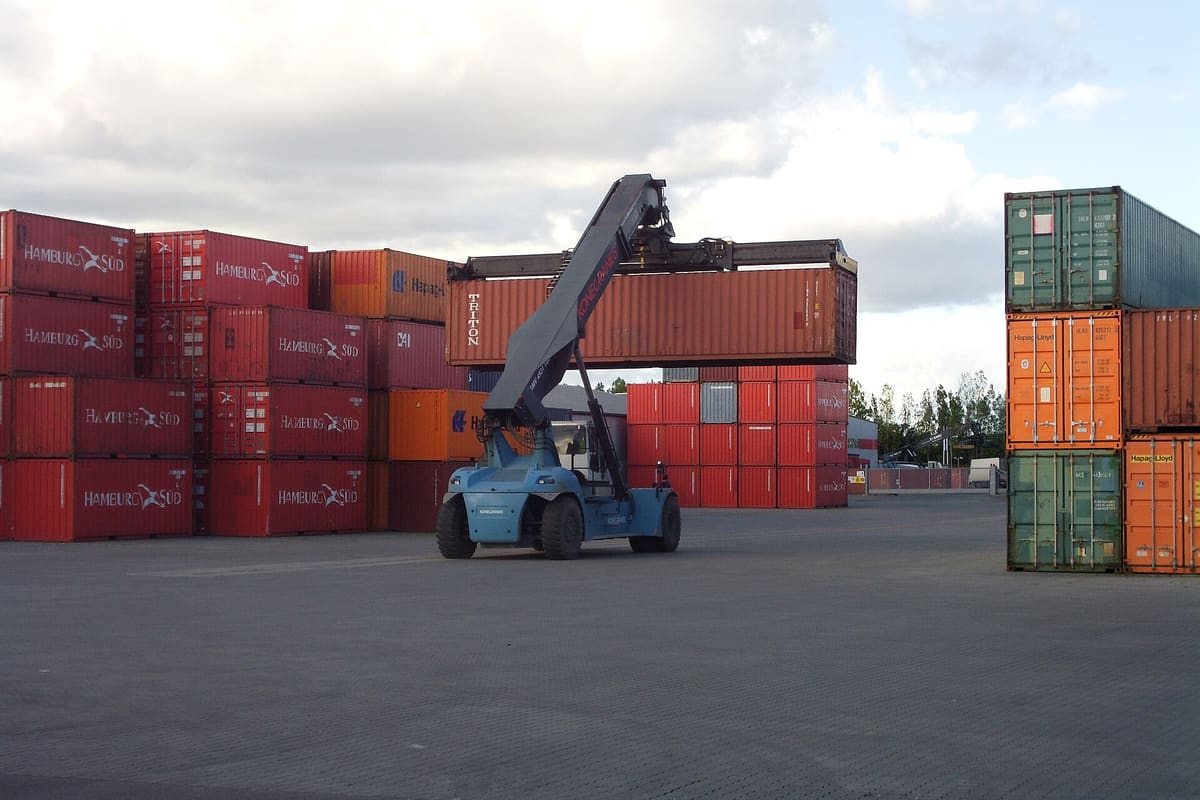
Marine insurers have reclassified a stretch of water carrying roughly a tenth of global container traffic, tripling the war-risk premium charged on transits. Carriers have responded by paying it.
The arithmetic is not subtle. War-risk premium on a large container vessel has moved from about 0.05 percent of hull value per transit to about 0.15 percent — real money, but less than the nine to twelve days and roughly $1.1 million in additional fuel that the alternative routing costs on a single voyage.
What insurers changed
The reclassification does not say the route is unsafe. It says the distribution of possible outcomes has widened, and that the premium reflects the tail rather than the average. Underwriters have also shortened the notice period for further changes from thirty days to seven.
That second change matters more to charterers than the first. A premium that can move on a week’s notice cannot be priced into a contract signed months in advance.
We can absorb a higher premium. What we cannot absorb is a premium that changes after the vessel has sailed.— A chartering manager at a container line
Contracts are catching up
Charter contracts negotiated in the past quarter increasingly include a clause allocating war-risk premium increases between owner and charterer, sometimes with a threshold above which the charterer may cancel. Brokers say such clauses were rare two years ago and are now in a clear majority of new fixtures on affected routes.
- Premium: from about 0.05% to 0.15% of hull value per transit
- Alternative routing: adds 9–12 days and roughly $1.1m in fuel per voyage
- Notice period for further changes: shortened from 30 days to 7
- Contracts: premium-allocation clauses now standard in new fixtures on the route
Shippers further down the chain are largely insulated for now, because these costs are small relative to freight rates that have moved for other reasons. Analysts caution that this holds only while capacity is loose; in a tight market the same premium lands directly on the cargo owner.

Hope there is a follow-up. These stories tend to drop out of view after a few weeks.
Something similar happened in my county, and this matches what I saw.
Something similar happened in my county, and this matches what I saw.
Would be better with more detail on where the figures came from, but otherwise solid.