We priced the same 40-item basket in nine cities. The spread was 34%.
Store brands closed much of the gap, but not all of it. The single largest source of variation was not the city — it was whether the store faced a competitor within two miles.
- Identical 40-item basket ranged from $147 to $197 across nine cities
- Store-brand substitution cut the basket by 21% on average
- Stores with no competitor within two miles priced 9% above the city average
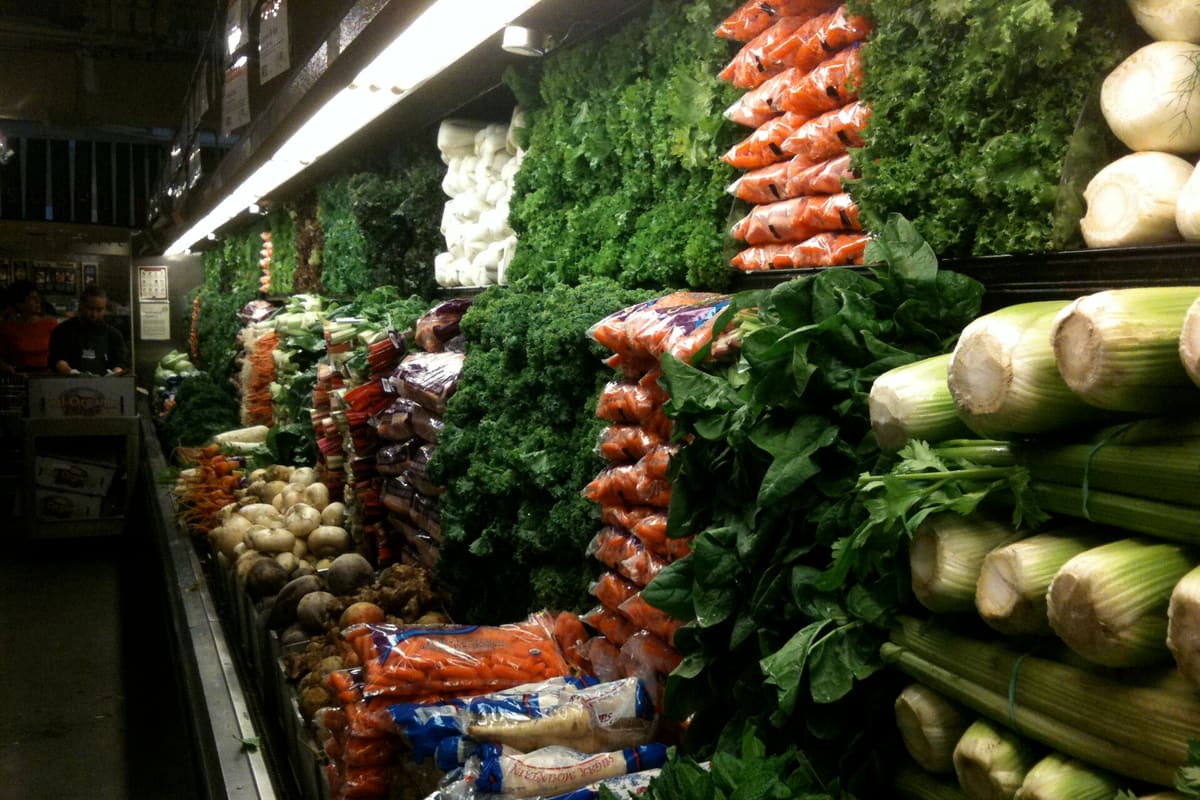
MNC News priced an identical basket of forty common grocery items in nine cities over one week, using the same brands, sizes and units in every store. The cheapest basket came to $147. The most expensive came to $197 — a spread of 34 percent for the same goods.
Some of that is what you would expect: rent, wages and distribution costs differ by metro. But city explained less of the variation than the single most powerful factor we found, which operates within cities as well as between them.
Distance to the nearest competitor
Stores with no competing full-line supermarket within two miles priced the basket about 9 percent above their own city’s average. Stores with two or more competitors within the same radius priced about 6 percent below it.
The effect held after controlling for store format, size and neighborhood income. It was strongest in the categories where comparison is hardest — packaged goods sold in non-standard sizes — and weakest for milk, eggs and bananas, which shoppers price-check reflexively.
Every chain knows exactly which of its stores has no competition within a fifteen-minute drive. That map is the pricing strategy.— A former category manager at a national grocery chain
What store brands do
Substituting the store brand wherever one existed cut the basket by 21 percent on average. The saving was uneven: large on paper goods, cleaning products and canned staples; small on dairy; near zero on fresh produce, where there is no brand to substitute.
- Basket: 40 identical items, priced in nine cities in one week
- Range: $147 to $197, a spread of 34%
- Store brands: 21% average reduction, concentrated in packaged and paper goods
- Competition: stores with no rival within two miles priced 9% above city average
One methodological note worth stating: we priced shelf tags without loyalty discounts, because loyalty pricing is personalized and cannot be compared across shoppers. In three chains the loyalty price was materially lower, which means our figures overstate what a regular customer of those stores actually pays.

Comments3,410