Federal officials order steeper water cuts, and agriculture takes almost all of them
Reductions of 18% to 23% will apply to three states next year. About 78% of the water in the system goes to irrigation, which is where any meaningful cut has to come from.
- Cuts of 18% to 23% apply to three states beginning next water year
- Agriculture uses about 78% of allocated water in the basin
- Fallowing payments now exceed the market value of some crops
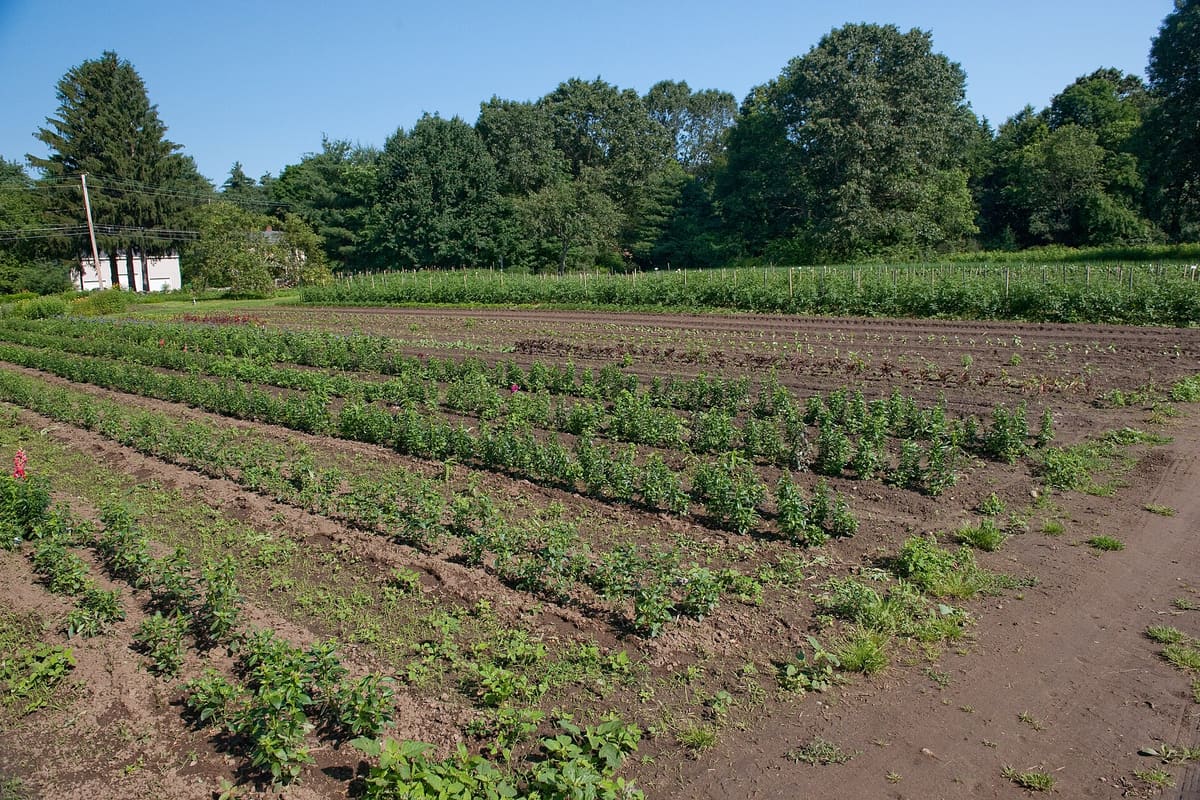
Federal water managers have ordered cuts of between 18 and 23 percent to three states’ allocations beginning with the next water year, the steepest reductions ordered since the current framework was adopted.
The arithmetic of where those cuts land is not complicated. About 78 percent of allocated water in the basin goes to irrigated agriculture. Municipal and industrial use, which draws the most public attention, is a small enough share that eliminating it entirely would not close the gap.
Paying farms not to farm
The main mechanism is voluntary fallowing: districts pay growers to leave fields unplanted and return the water. Payments have risen to the point that for several lower-value forage crops, the fallowing payment exceeds what the harvest would have earned.
That works as a market and unsettles the communities around it. A farm that fallows buys no fuel, hires no seasonal crew and sends nothing to the local gin or elevator. Two county governments have asked that a share of fallowing payments be directed to the businesses downstream of the field.
The water leaves the farm and the money follows it out of town. Both of those are the deal working exactly as designed.— A county commissioner in an irrigation district
What conservation has achieved
Urban conservation has been genuinely successful in the basin. Several major cities use less total water than they did twenty years ago while serving substantially more people, through turf replacement, tiered pricing and leak reduction.
That achievement is also why further urban savings are limited: the cheap reductions have been made, and the remaining ones cost far more per acre-foot than paying a farm to fallow.
- Cuts: 18% to 23% across three states, beginning next water year
- Allocation: about 78% of basin water goes to irrigated agriculture
- Mechanism: voluntary fallowing payments, now exceeding some crop values
- Urban use: several major cities use less water than twenty years ago
Hydrologists caution that this framework was built around a runoff assumption that the past two decades have not met. Whether the reductions ordered now are sufficient depends on snowpack, and the current outlook for the coming winter is close to average — which under the revised understanding of the basin is not enough to recover storage.

Clearly written, and the section on the numbers is more careful than most coverage of this.