Telehealth kept rural clinics open. The broadband it depends on is still missing.
Remote consultation has become a core service rather than a stopgap. In the counties where it matters most, a quarter of households cannot sustain a video call.
- Telehealth is now 22% of primary care visits at the rural clinics surveyed
- In the same counties, 24% of households lack service adequate for video
- Audio-only consultations are reimbursed at a lower rate in most plans
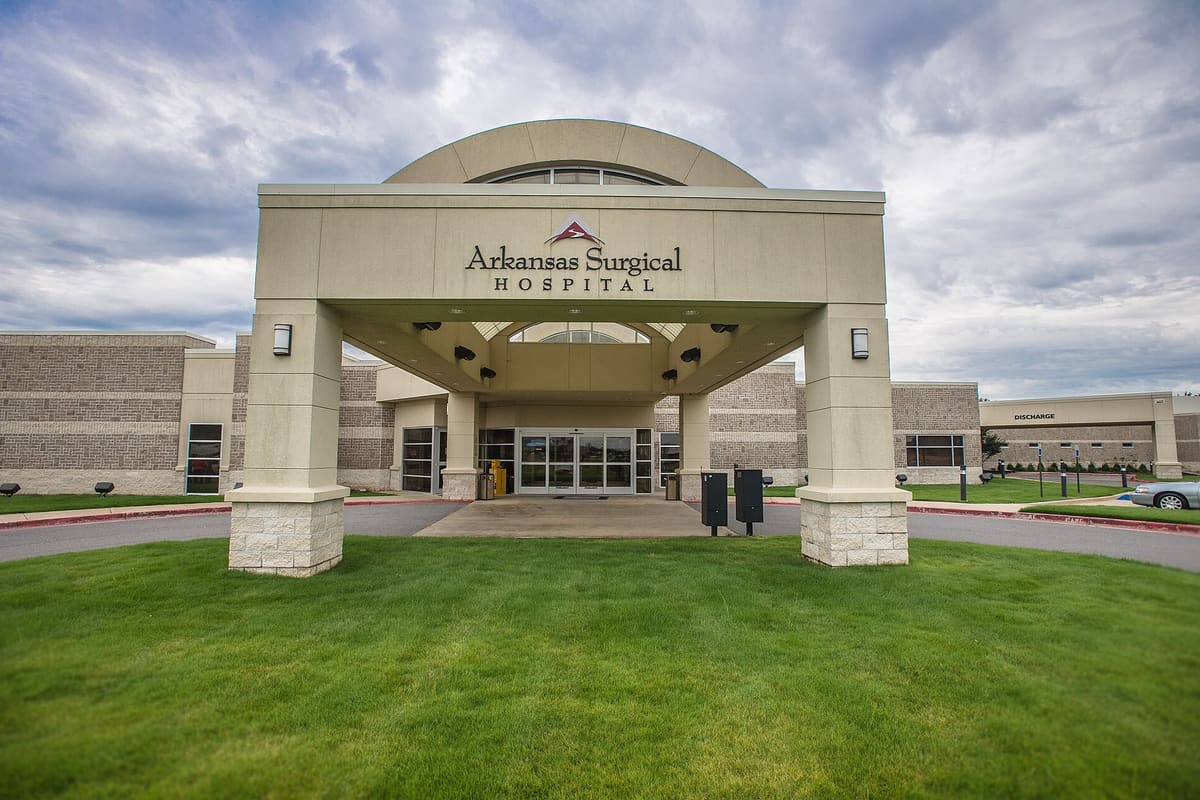
Telehealth has stopped being an emergency measure at rural clinics and become an ordinary part of how they work. Across 130 clinics surveyed in counties classified as health professional shortage areas, remote consultation now accounts for 22 percent of primary care visits.
For several of those clinics it is the difference between operating and closing. A single physician can cover three sites in a week if two of the days are remote, which is not possible if all three require a drive.
The connection gap
The obstacle is the connection at the patient’s end. In the same counties, about 24 percent of households lack a service capable of sustaining a video consultation — either no fixed broadband, or a connection whose upload speed cannot carry video reliably.
Clinics have adapted by using audio-only consultations, which work adequately for medication management, follow-up and triage, and poorly for anything requiring visual assessment. Most insurance plans reimburse audio-only at a lower rate than video, which means the clinics serving the least connected patients earn less per visit.
We are paid less for the visit precisely because our patients cannot afford the internet to have the better one.— A clinic director in a rural county
Workarounds that are working
Two approaches have spread. The first is a connected room at a library, school or community center — a private space with a reliable connection and a basic set of instruments a nurse can operate. The second is a mobile unit that visits on a fixed schedule and carries its own satellite connection.
Both cost money that the clinics do not have and grants supply unevenly. Clinic directors consistently named the same problem: the funding is capital and the need is operating.
- Telehealth share: 22% of primary care visits across 130 clinics surveyed
- Connectivity: about 24% of households in those counties cannot sustain video
- Reimbursement: audio-only paid at a lower rate in most plans
- Workarounds: connected community rooms and mobile units with satellite links
Broadband programs have funded construction in many of these counties, and the maps show coverage that clinic staff say does not match what patients experience. The gap between a household being passed by a network and a household subscribing to it is affordability, which no construction program addresses.

Comments920