Appeals court strikes down a city’s protest permit fee, and sets a test other cities will have to meet
The ordinance charged demonstrators for police overtime based on expected crowd size. The panel held that tying the fee to anticipated hostility puts a price on unpopular speech.
- Fee ranged from $300 to $14,000, scaled to expected attendance and “security risk”
- Panel ruled unanimously that the risk component is unconstitutional
- Flat, cost-based fees survive; at least nine cities have similar ordinances
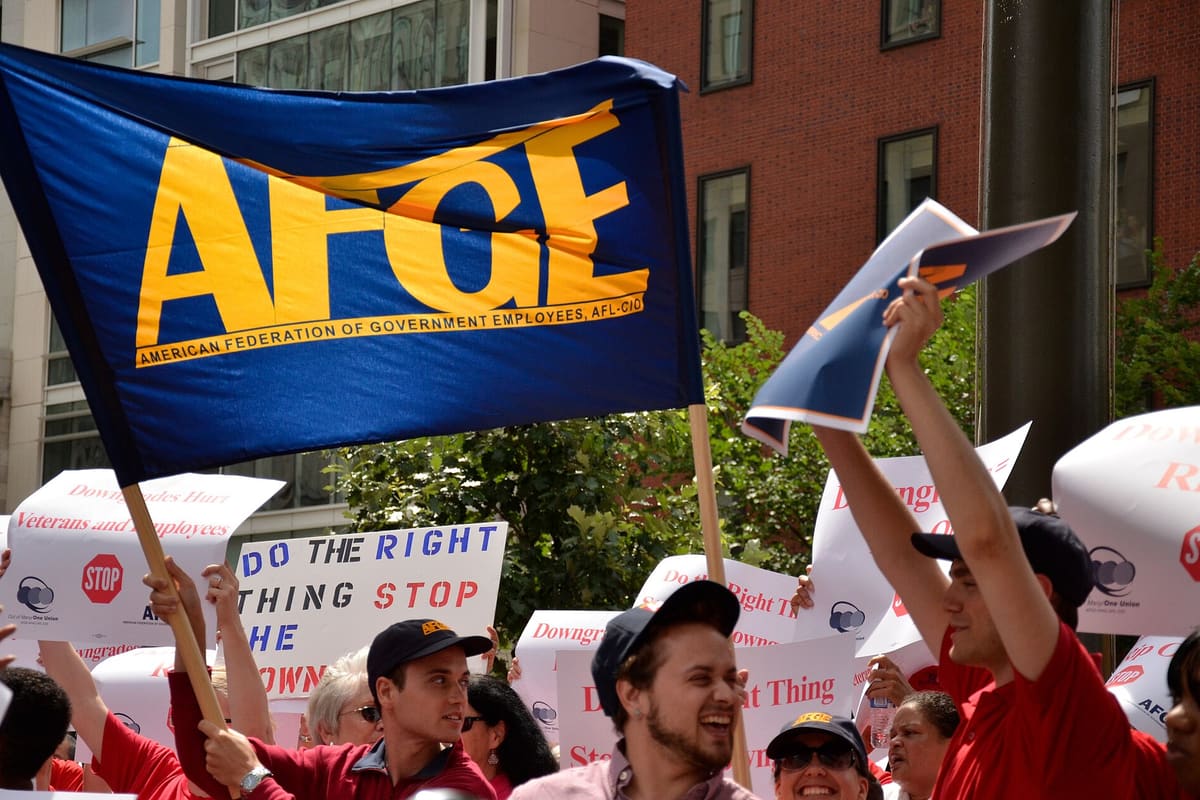
A federal appeals court has struck down a city ordinance that charged demonstration organizers for anticipated police costs, in a ruling that will require at least nine other cities to revisit similar rules.
The ordinance set a permit fee between $300 and $14,000. Part of the calculation was mechanical — expected attendance, street closures, hours. Part of it was a discretionary “security risk” assessment made by the police department based on the likelihood of counter-demonstrators and disorder.
The part that failed
The panel had no difficulty with the mechanical part. Cities may recover the actual, content-neutral costs of accommodating an event, it wrote, and doing so is not a burden on speech.
The risk assessment was different. Because the anticipated need for policing rises with how strongly others object to the message, charging for it makes the speaker pay for the reaction to their speech. The opinion described this as a fee that “scales with unpopularity,” and held that it cannot stand regardless of how carefully the assessment is made.
A city may charge for the barricades. It may not charge more because it expects someone to shout.— From the panel’s opinion
What survives
The ruling leaves cities considerable room. Flat fees, fees tied to documented and auditable costs, insurance requirements applied evenly and advance-notice rules were all expressly preserved. What cannot survive is a discretionary uplift keyed to expected opposition.
- Fee range under the struck ordinance: $300 to $14,000
- Struck: the discretionary “security risk” component; upheld: mechanical cost recovery
- Reach: at least nine other cities have comparable risk-based components
- Next step: the city has not said whether it will seek further review
City attorneys in three of the nine affected cities told MNC News they have already begun redrafting. One said the practical consequence is smaller than the headline: in his city, the risk uplift applied to fewer than a dozen permits a year, though those were invariably the most contested ones.
The last section is the important one. The problem was never the surface layer.
Saved to read properly later. Thanks for putting it together.
The takeaway for me is that it all comes down to enforcement.
The takeaway for me is that it all comes down to enforcement.
That detail in the middle — I assumed it was only like that where I live.