A subway line is being rewired one weekend at a time. Riders are noticing.
The signal system on the busiest line dates from the 1930s. Replacing it means closing sections every weekend for three years — and the first year is running four months behind.
- The line still runs on fixed-block signaling installed before World War II
- Weekend closures are scheduled through 2029; year one is four months behind
- Where the new system is live, trains run 22% closer together at peak
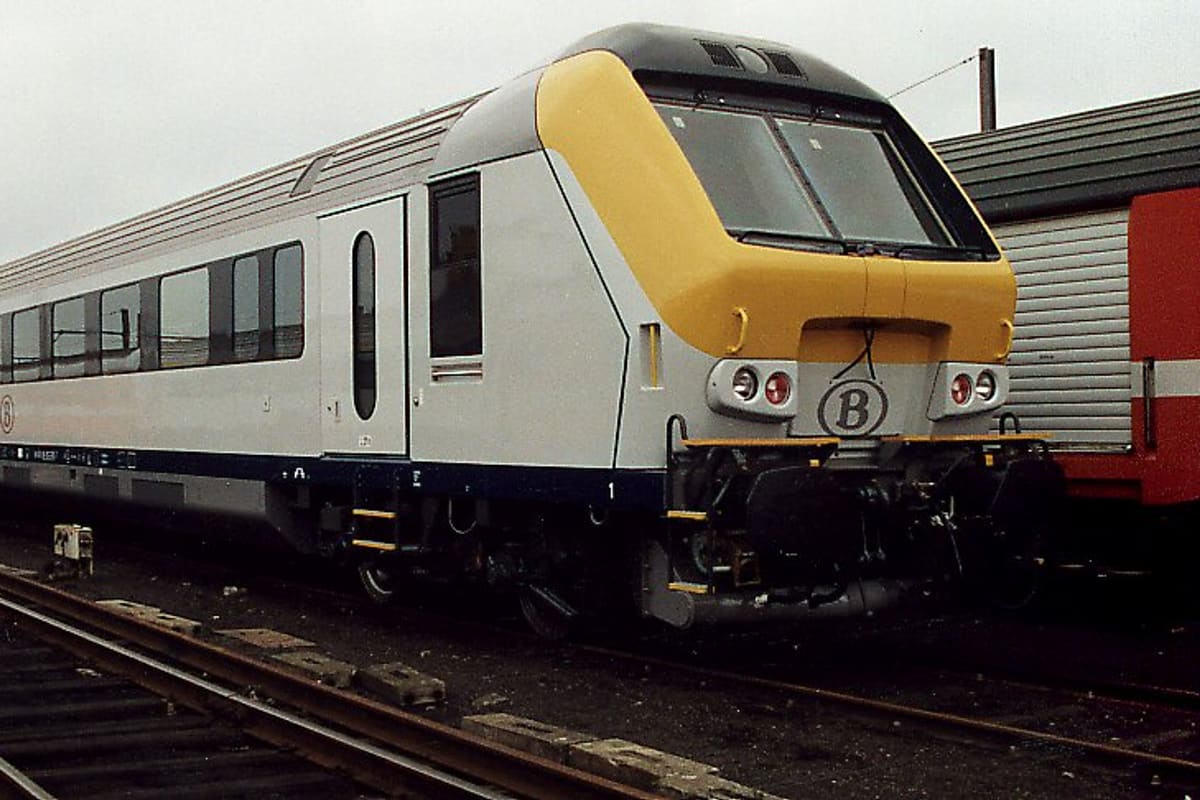
The busiest line in the system still runs on fixed-block signaling installed in the 1930s: a track circuit tells the tower a block is occupied, and no second train may enter it. It is reliable and it is slow, because a block is a block whether the train inside it is at the far end or just past the signal.
The replacement is a communications-based system in which each train reports its own position continuously, and the following train is held only as far back as it actually needs to be. Where it is already live, at the southern end of the line, trains run 22 percent closer together at peak without any change to track or rolling stock.
Why it takes three years
The work cannot be done while trains run. Every weekend, a section closes from Friday night to Monday morning while crews pull cable, mount transponders on the ties and test the handover between the old system and the new one at the boundary.
That boundary is the hard part. For the length of the project, half the line speaks one language and half speaks another, and every train has to switch mid-run without stopping. Engineers describe the handover zone as the single largest source of delay in the schedule.
People ask why we cannot just do it faster. We could close the whole line for eight months and be finished. Nobody wants that answer either.— A project engineer on the signal replacement
Four months behind
The authority now says year one finished roughly four months behind schedule, which it attributes to asbestos found in cable ducting at three stations and to a transponder supplier that missed two deliveries. The end date has not moved publicly, which riders’ groups say is the least believable part of the update.
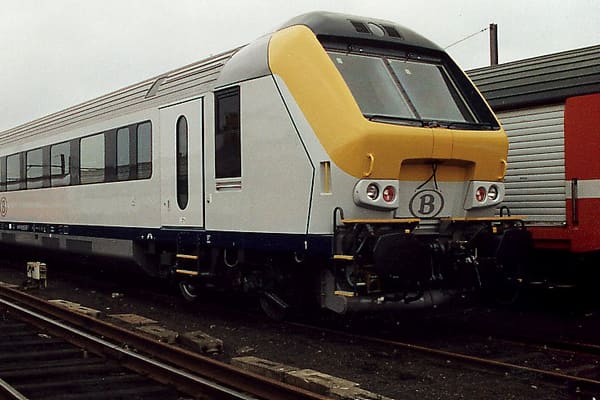
- Existing system: fixed-block signaling, installed in the 1930s
- Effect where complete: 22% reduction in headway at peak, no new track or trains
- Method: weekend section closures, Friday night to Monday morning, through 2029
- Slippage: year one about four months late; published end date unchanged
For riders, the visible part is the shuttle bus. The authority runs replacement buses on every closed section, and on a good weekend they add eighteen minutes to a trip. On a bad one, when a closure overlaps with a street event, riders have reported waits of forty minutes for a bus that holds a fraction of a train.

Comments1,188