A research station built on permafrost is being moved, because the ground it stands on no longer holds
Thirty years of measurements from one of the longest-running Arctic monitoring sites will continue two kilometres away, on bedrock. Relocating it means a gap in a record that has no substitute.
- Foundation piles have shifted up to 40 cm as the active layer deepened
- The new site is on bedrock, two kilometres from the original
- A six-month overlap will run both sites to keep the record comparable
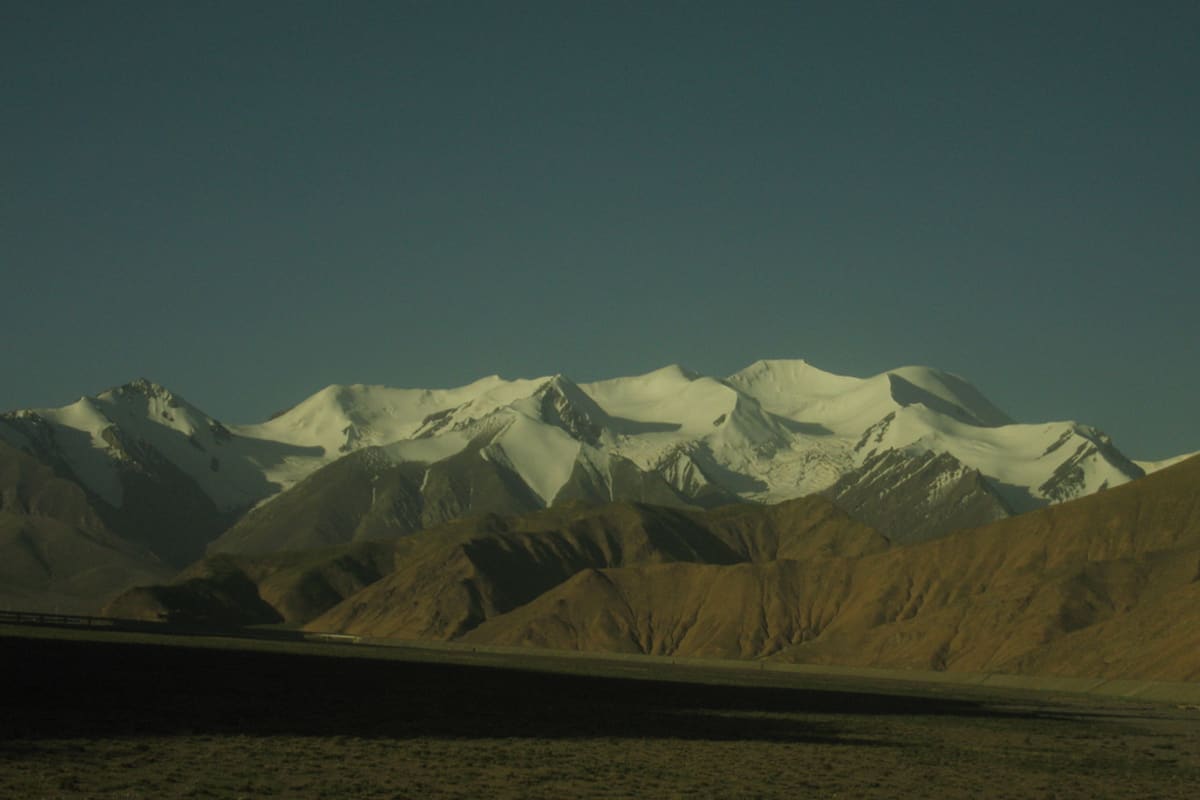
One of the longest continuously operating monitoring stations in the Arctic is being moved because its foundations no longer sit on frozen ground.
The station was built in the 1990s on piles driven into permafrost, which was then a reliable structural material. Over the past decade the seasonal thaw layer has deepened enough that several piles have shifted by as much as forty centimetres, tilting two buildings and cracking a instrument mast.
A record you cannot rebuild
The scientific problem is not the buildings. It is continuity. The station holds an unbroken thirty-year series of atmospheric and soil measurements, and its value comes precisely from the fact that the instruments have not moved.
Relocating changes the local surroundings — elevation, exposure, soil, drainage — in ways that can shift readings by amounts comparable to the trends being measured. The team will run both sites in parallel for six months to characterize the offset, then apply it to the historical series.
We are not just moving instruments. We are moving a thirty-year baseline, and we have to prove the new numbers mean the same thing as the old ones.— The station’s lead scientist
What the record shows
The measurements the station exists to collect are also the reason it must move. Mean annual ground temperature at the site has risen by 2.3°C over the series, and the depth of the layer that thaws each summer has increased by about 70 centimetres.
- Foundation movement: up to 40 cm on piles set in permafrost in the 1990s
- New site: on bedrock, about two kilometres away
- Overlap: six months of parallel operation to characterize the offset
- Site record: ground temperature up 2.3°C; thaw layer deeper by about 70 cm
Infrastructure across the region faces the same problem on a larger scale. National assessments in several Arctic countries have found that a substantial share of buildings, runways and pipelines were designed on the assumption of ground that stays frozen, and that retrofitting is generally more expensive than relocation once movement begins.

That detail in the middle — I assumed it was only like that where I live.
You do not see many pieces that show the reporting process like this anymore.
You do not see many pieces that show the reporting process like this anymore.
Clearly written, and the section on the numbers is more careful than most coverage of this.